
What is a Coffee Bean?

Eatery

Green coffee beans contain elevated levels of chlorogenic acid, which can help reduce your weight and prevent diabetes and heart disease. They’re also more flavorful than roasted coffee.Coffee Bean

Coffee beans are the seeds of a plant in the genus Coffea, and the plants themselves belong to the Rubiaceae family. The beans are a major crop and valuable commodity, worth about $100 billion globally.

The history of the coffee bean is a fascinating story steeped in legend and controversy. According to one version, the beans were first discovered by a goat herder named Kaldi. The herder noticed that his goats became energized after eating the berries of a certain shrub. Kaldi tried the berries himself and soon discovered the invigorating effects of this mysterious drink. The herder then shared the knowledge of this new beverage with his fellow monks.

Another origin story relates how the beans were first used as a medicinal potion. The Muslim scholar Avicenna wrote that coffee was useful in treating a variety of ailments, including eye strain and earaches. He also claimed that it kept people awake for night prayers.

Although the exact origin of coffee remains controversial, it is agreed that the drink came to Europe via Arabia. In the 16th century, it was very popular in Arab cultures, and coffeehouses became a common place to socialize and conduct business. The stimulating effect of the coffee caused Muslims to rethink their prohibitions on alcohol and smoking.

As the popularity of coffee grew, the bean began to be cultivated in places like Ethiopia and Yemen. The coffee plant is now a major part of many cultural traditions around the world and continues to be one of the most valuable commodities in the global economy.

The name coffee is derived from the Arabic word Qahwah, meaning “smoke”. It refers to the pleasant aroma that is released when the beans are roasted. The coffee plant has a dark green, woody appearance and is often found in the tropics. Its large leaves are arranged erectly and the flowers have an attractive purple hue. In the wild, the trees can grow up to 20 meters tall and thrive in conditions that are moist and warm.

Types

When you’re looking for a cup of coffee, the type of beans you choose makes a difference. It’s not just a matter of flavor; different types of coffee beans grow in different regions and exhibit different properties when brewed. You can also find different types of coffee beans based on the way they are processed, or “roasted”.

The most common and recognizable coffee beans are Arabica beans. They are cultivated in many regions worldwide and make up about 75% of the world’s total coffee production. Coffee beans are actually the seeds of a fruit, or drupe, which is surrounded by a paper-like outer skin called the endocarp. Inside this layer are two individual coffee beans, which are separated by a thin membrane that’s sometimes referred to as parchment.

This parchment contains both nonvolatile and volatile chemicals that deter insects and animals from consuming the beans. As the beans are dried, these chemical compounds break down, releasing the coffee bean’s inherent flavors. This process is known as caramelization and gives the coffee its recognizable aroma and distinctive taste.

Robusta coffee beans are more widely produced than arabica beans, and they can be bred to produce higher yields. These beans tend to grow faster than arabicas and are less vulnerable to pests, which makes them more economical to grow. They typically have a more bitter, less refined flavor.

Heirloom coffee beans are varieties that have been passed down from one family or farm to the next over generations, giving them distinct flavor characteristics not found in other bean types. These beans are considered to be of exceptional quality, and they can command higher prices than other coffees.

Taste

The taste of coffee beans is a complex sensory experience. It involves the tongue sensing aromas, flavors, body, and mouthfeel. The nuances in the flavor are derived from chemical compounds that form during growth (due to climate, soil, altitude, nourishment, etc.) or during the roasting process. These chemicals are then recognized by the brain, and the brain then interprets them in terms of what we know as tastes. As such, a good palate can easily distinguish a range of flavors from the most common to the exotic.

When tasting a cup of coffee, it’s important to note the intensity of each flavor. For instance, some coffees have more acidity than others. This is a positive thing as it gives the cup a pleasant brightness that balances out the bitterness of other flavors.

Another important factor is the sweetness of the coffee. Sweetness is usually derived from sugar, which is caramelized during the roasting process. However, some coffees have natural sweetness as well. This is often the case with light roasts that have been roasted longer.

The sourness of the coffee is also an important factor to consider. This is caused by the breaking down of acids in the coffee during the roasting process. Many people think that sourness is a negative aspect of coffee, but it can actually enhance the overall flavor.

Bitterness is the last of the five main taste modalities that the tongue sends to the brain. This is a necessary element for coffee to be considered good. For most of its history, coffee was roasted to the point where it was bitter and astringent, but now we are learning how to roast our beans so that they don’t turn pitch black.

Health benefits

Aside from being delicious, coffee beans have a lot to offer your health. They are a great source of dietary fiber, caffeine, and antioxidants. They can also provide a significant boost to your energy levels and improve performance. Additionally, they have been shown to help reduce the risk of Type-2 diabetes and may protect against neurodegenerative diseases.

The best way to enjoy your cup of joe is with whole beans. This was the original way to ingest coffee beans, and it provides you with a more concentrated dose of their nutrients than brewed coffee does. You can also control your caffeine intake more easily by eating whole beans. In moderation, eating coffee beans is safe but you should avoid consuming too many as they can lead to an upset stomach and anxiety.

When eaten in their raw state, coffee beans can have a dry and chalky texture. You can eat them plain or roast them in the oven for a more pleasant texture. Roasting them makes them more crunchy and nutty in taste. During this process, they are also exposed to high temperatures, which can alter the flavor of the beans. However, the high temperatures can also create some useful byproducts such as cafestol and trigonelline, which have been shown to have hypoglycemic and neuroprotective properties.

Coffee is known to have a variety of health benefits, including helping to burn fat and increase metabolism. It is also known to decrease the risk of dementia and Parkinson’s disease. In addition, it is an excellent source of riboflavin and niacin. In fact, a single cup of brewed coffee can provide 11% of your daily value of riboflavin.

Aside from its caffeine content, coffee is also rich in plant compounds called polyphenols. These polyphenols are known to act as antioxidants, which help protect the body against free radical damage. The polyphenols in coffee also appear to block cancer cell growth and increase the activity of phagocytes, which are cells that engulf and destroy foreign substances in the body. These effects of polyphenols have been found in animal studies, but more research is needed to confirm the results in humans.
Handyman Services – Repairing Cracks and Holes in Drywall

handyman

Handyman Naperville IL is a skilled professional who enjoys working with his hands and seeing the immediate results of his work. He often works with other tradespeople, such as electricians, plumbers, and security systems installers.

Playing to your strengths is the key to success as a handyman. Ensure you’re pricing your services appropriately by claiming your business page on Nextdoor.handyman

Drywall is pretty tough stuff, but it’s not indestructible. Over time, it can sustain ugly cracks or holes that make a home look drab and outdated. Fortunately, minor blemishes are relatively simple to conceal. Even so, drywall repair requires careful attention to detail to ensure that the patching looks “invisible.”

The first step in drywall repair is gathering the right materials. For a small nail hole, you might need nothing more than spackle or joint compound (aka “mud”) and a putty knife. However, a bigger hole may require mesh drywall tape to strengthen and hold the mud in place. Once you have the mud and tools, you can start repairing the damage.

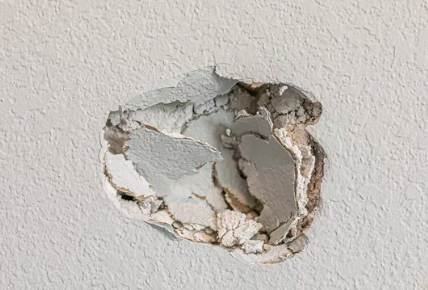
If you have a wall or ceiling with an obvious hole, begin by scraping away any loose drywall and cleaning the area around the hole. Then, apply a thin coat of paste or compound to the surface of the drywall, and smooth it with your putty knife until it’s flush with the rest of the wall. Allow the mud to dry completely before applying two or three more thin layers, as needed.

Next, you’ll need to prepare the wall or ceiling for a fresh coat of paint. This is a good opportunity to touch-up the rest of your walls or ceiling, too. Be sure to choose a paint that matches the original color and sheen of the drywall.

Depending on the severity of the damage, you might need to replace a section of the drywall. This can be a tricky job because you need to know how to cut drywall without affecting the structure of the house, and you have to take into account electrical or plumbing wiring.

Before attempting a major drywall repair, it’s a good idea to consult an expert to see if the issue warrants a professional’s help. For example, cracks that run across the width of a wall or ceiling aren’t just unsightly; they might indicate a structural problem or a leak.

The average handyman charges between $50 and $100 per hour for drywall repair. However, the exact rate depends on a number of factors, including the size and scope of the project, location and accessibility, and necessary materials.

Repairing a Cracked Drywall Joint

Cracks in drywall occur in walls for a variety of reasons. Most are cosmetic and can be repaired with lightweight spackling compound or drywall mud. The most common cracks are near seams, where drywall panels meet. A home inspector will note them during a home inspection and may recommend repair. They can also be caused by shifting of a house’s foundation or structural problems with the interior walls. These cracks can be difficult to spot unless the homeowner is trained to look for them, and they usually require professional help from a qualified handyman or a structural engineer.

It’s important to properly repair a cracked drywall joint to prevent the crack from reappearing later. The first step in the process is to remove all of the loose spackling compound or mud. It’s best to use a utility knife with a wide blade for this, rather than the kind of narrow putty knife you would typically use on wood filler. Once all of the old mud is removed, apply a fresh coat of drywall joint compound to both sides of the crack. Make sure to use a pre-mixed drywall compound rather than spackle, which will go on more smoothly.

If a crack in a drywall seam appears after applying a new layer of joint compound, it is likely that the original tape wasn’t bedded properly into the mud. This can cause air pockets, which are the perfect place for cracks to start appearing at drywall seams. To fix this, cut away the existing paper tape and re-bed the new tape in the mud along the entire seam.

Drywall mud takes several hours to fully cure, so it’s important not to rush the process. Taking your time with this job will ensure that the crack is properly repaired and that you’ll be able to paint over it without any unsightly splotches or bumps.

Larger cracks in a drywall wall may require reinforcement with mesh prior to spackling. This will stop the crack from reappearing after the spackling dries, as it tends to do in many homes.

Repairing a Stained Drywall Joint

Whether it’s from rain, a leaky sink or a burst pipe, water damage can be quite destructive. In addition to causing mold and mildew, it can also cause structural issues for your home. Fortunately, a professional handyman is experienced in dealing with these problems and can take the necessary steps to restore your home’s safety and integrity.

A handyman is an expert in a variety of trades and repairs tasks that are too small for a general contractor or too complex for a plumber or electrician. They often have on-the-job training and shadow a senior handyman until they can complete the work independently. They can repair anything from electrical appliances and fixtures, to plumbing issues, roofing repairs and painting jobs. Many handymen are also able to take on multiple projects at once, increasing their income and overall productivity.

Staining from a water leak in drywall is an extremely common issue that can occur in both residential and commercial properties. The good news is that it’s an easy fix if caught quickly enough. Handymen can make this repair by first removing any affected areas of the drywall and then sealing the stains with an oil-based stain killer that’s similar to paint. Once the stains are treated, they can apply a new coat of drywall compound.

Before you start repairing the damaged area, measure the wall to determine how much new drywall is needed. Once you have the measurements, cut a piece of new drywall to fit the space. You can use a utility knife or drywall saw to make the cuts. Then, attach the new drywall to the studs using drywall screws and a power drill. Once the drywall is in place, apply fiberglass joint tape over the seams to protect them from future moisture. Next, apply a layer of setting-type drywall compound over the tape and skim it thin to prevent dislodging or damaging the joint tape.

Lastly, sand the joints with a sanding block to smooth out the seams and make sure the surface is even. Finally, apply a final coat of compound over the sanded surface and let it dry completely before painting. The process is a little more time-consuming than simply covering up the damaged area, but it’s an effective way to extend the lifespan of your drywall and save you money in the long run.

Repairing a Broken Drywall Joint

While small holes and dents can be filled with lightweight spackle or joint compound and a putty knife, larger ones require more support and heavier mud. Using the correct techniques ensures that your repair is strong and will last.

For large drywall repairs, you can use a variety of drywall patch kits that contain a reinforced center panel surrounded by self-sticking tape. These are ideal for repairing larger holes in walls that will be painted. They are also useful for repairing cracks that may be caused by changes in the humidity. Studies have shown that humidity causes wood framing and drywall sheets to expand or shrink at different times, which can cause cracking. By acclimating building materials to the humidity level of the room before installing them, you can help prevent cracking.

If you are repairing a crack in a drywall seam, it’s important to make sure that the new joint tape is fully bedded in the mud before proceeding. This will prevent future occurrences of the cracking that may occur due to a poorly bedded tape. To properly bed the joint tape, you will need to cut away any blemishes on the surface of the old tape and apply fresh mud to the entire area.

For smaller holes in drywall, you can use a small amount of drywall compound or spackle and a piece of paper tape to bridge the hole. However, be aware that small holes are more likely to come back and need to be repaired with a drywall patch rather than simply bridging the gap with a piece of tape.

Once the drywall compound or spackle has dried, sand it lightly with a sanding block to remove any ridges and blend the edges of the patch with the wall. Smoothing the mud also helps to prevent the patch from standing out on the wall. After sanding, you can prime and paint the patch to match the color of the rest of the wall.

When sanding drywall, it is important to use a dust mask or a respirator to protect yourself from the fine gypsum and silica particulates in the mud. The fine particles can irritate your lungs and lead to respiratory problems.

The Benefits of Attic Insulation

Attic Insulation

Attic Insulation Houston is one of the best home energy-saving projects homeowners can undertake. It traps heat in winter and keeps it out in summer to lower energy bills. It also prevents the leaking of air pollutants, such as carbon monoxide, which can cause flu-like symptoms and even death.Attic Insulation

Insulation materials include fiberglass batts and rolls, mineral wool, cellulose and foam. Each has its pros and cons.

A well-insulated attic helps to save energy, lowering your heating and cooling costs year-round. It also helps prevent air leakage, ensuring that the temperature of your home stays stable and comfortable. It keeps warm air in during the winter and cold air out during the summer, helping to prevent your home’s heating and cooling systems from working overtime.

One of the most important elements in any home improvement project is to select the right type of insulation. The best way to do this is to consider the climate where you live, along with your budget and the type of construction of your house. For example, a newer home with cavity walls is better suited to fiberglass insulation than an older home built with solid wall construction.

The most popular insulation for attics is fiberglass rolls or batting. This is readily available in most big box stores and may seem less daunting to do-it-yourselfers than blown-in insulation, which requires renting a machine to install and can create a lot of dust. However, these types of rolls and batting may not be as effective as loose-fill cellulose or foam insulation.

Loose-fill fiberglass, which is typically available in most big box stores, can be blown into attic cavities and corners with a machine that you rent from the same retailer where you purchase the insulation. This is often considered more efficient than laying batting or rolls, and it can fill more difficult-to-reach spaces. This type of insulation is available in varying R-values depending on your climate.

If you are planning to sell your home in the future, it is important to remember that a properly insulated attic can add value to your property. Home buyers are attracted to homes with a high R-Value, and the cost of installing insulation in your attic can be offset by the increase in the home’s value upon sale.

Attic insulation also helps prevent damage caused by heat and moisture that can cause shingles to swell, break or peel, plywood to soften and mold to grow. Insulating your attic can reduce or eliminate the damage caused by these conditions, protecting the rest of your home and preventing expensive repairs.

Comfort

It’s common to know that insulation in the attic helps keep a home warm and cozy during the winter. But what many homeowners don’t realize is that it also works to prevent heat loss in the summer, thereby saving energy and making homes more comfortable.

Insulating an attic is one of the most cost-effective and easiest home improvement projects that a homeowner can do to increase their comfort. The benefits of a properly insulated attic are instantaneous, starting with reduced heating and cooling costs. Once a home is well-insulated, the HVAC system does not have to work as hard to keep the house cool, which reduces energy consumption and wear on your HVAC system, extending its lifespan.

Attic insulation also reduces outside noise, creating a quieter, more pleasant living environment for the household. This is especially helpful for households located near busy roads or other sources of outside noise, such as construction or commercial buildings.

The type of insulation you choose to install in your attic will depend on a variety of factors, including the climate and the age of the house. For example, in Massachusetts, where the weather is fairly cold and humid, it is important to choose a high R-Value insulation to ensure maximum comfort and energy savings.

Rigid foam board is often the best choice for older homes with solid walls and is easy to install in tight spaces. It is also available in pre-cut sizes to fit attic joists and rafters.

In newer homes with cavity walls, loose-fill fiberglass is the most popular insulation option. It is a very flexible insulation and comes in bags that contain tiny chunks that are installed by a machine that blows them out, filling in hard-to-reach places. It is available in different levels of R-Value and can be purchased from any local home improvement store.

Choosing the right type of attic insulation may be confusing. However, you should always consult a professional to make sure you are choosing the best solution for your home. Choosing the wrong type of insulation can cost you more money in the long run and can actually cause your home to lose more heat than it would without the added layer of protection.

Reduced Noise

Insulation keeps your home’s temperature consistent, but it also has the added benefit of reducing noise. It can be especially beneficial for homes near busy roads and railways, or those that are multi-level.

There are several types of insulation that can be used to reduce noise, but some are better suited for certain applications than others. For example, open cell spray foam can be very effective for reducing sound transmission between levels of your home. This is because it can create a custom-fit around outlets, pipes and other openings that might be able to transmit noise if they aren’t properly sealed.

For attics and other unfinished or partially occupied spaces, blanket insulation is a popular choice. It can be made from cellulose, fiberglass, cotton, mineral wool, or even plastic fibers. It comes in rolls or “blankets” that can be cut to size and inserted into wall cavities. The R-value of this type of insulation ranges from R-2.9 to R-3.8 per inch of thickness. It is moisture-resistant when a vapor barrier is applied along with it, and it is inexpensive to install.

A professional installer can ensure that you get the proper amount of attic insulation for your particular home. This is determined by your climate zone and the age of your home. The higher the R-value, the more energy savings you’ll see.

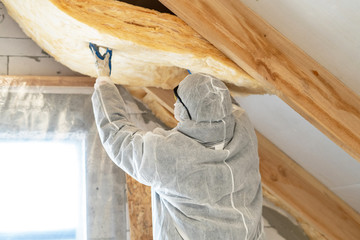
If you choose to do the installation yourself, be sure to wear a mask and protective gloves to avoid breathing in the fibers of the insulation. These materials can irritate the eyes, nose and lungs.

It is important to note that this type of attic insulation isn’t as effective as other types for reducing noise. In order to really get the best noise reduction, spray foam should be used in addition to other measures. These include sealing air leaks with caulk, packing putty or expanding foam around pipes and wires, and closing gaps in window frames with flexible polyurethane sealant. You should also be extremely thorough in your inspection of the attic space and remove any existing insulation that may contain asbestos, which is a serious health hazard.

Increased Value

Insulation helps keep conditioned air inside your home, which cuts down on energy consumption. It also helps to reduce outside noise from escaping through ceilings. This is particularly beneficial if you live near busy roads or other sources of outside noise.

Energy Efficiency

If you have old or insufficient insulation in your attic, it’s important to upgrade to higher R-Value material. Adding or replacing your attic insulation can make your entire house more comfortable, especially during the winter when heat loss through the attic is common.

Having your attic properly insulated can help you save money on energy bills, too. Without proper insulation, hot air can rise from room to room, causing your HVAC system to work harder to cool your home. Attic insulation forms a barrier that keeps the air from escaping your home, helping you and your HVAC system to stay comfortable all year round.

Your heating and cooling systems will last longer when they don’t have to work as hard to keep your home at a comfortable temperature. This can add years to their lifespans and cut down on costly repairs in the future.

There are many types of insulation on the market today, from cellulose to fiberglass, and even spray foam. The type of insulation you choose depends on your personal preferences and the R-value you need to meet your climate’s needs. For instance, blown-in cellulose and loose-fill fiberglass are green options made from recycled paper that has been treated for fire resistance.

If you’re planning to sell your home in the near future, it may be worth investing in attic insulation to increase its R-Value and make your house more appealing to potential buyers. New insulation can make your home more efficient and comfortable, which can help you get a better price when it’s time to sell. Moreover, installing insulation can make your home more environmentally friendly by reducing your energy usage and cutting down on greenhouse gas emissions. This has a positive impact on the Earth on a global scale as well. For example, your local power plant will need less energy to produce the same amount of electricity for homes with proper insulation, allowing them to scale back and use renewable resources for other purposes.