What Are Tacos?

Tacos

Space City Birria Tacos and More are a beloved Mexican dish consisting of a warmed tortilla folded around various fillings. The possibilities are endless, and they can be topped with delicious garnishes like sour cream, guacamole, and cilantro.Tacos
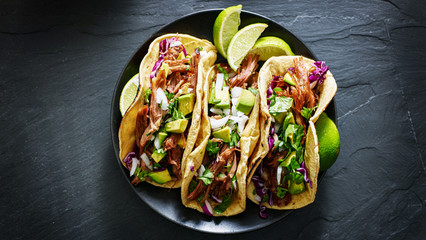
The origin of tacos is a bit of a mystery, but they probably came about as part of the packable meals for 18th-century silver miners. The term “taco” was slang for the paper they wrapped around gunpowder to insert into holes they carved in the rocks.

The origins of tacos are a bit of an enigma. Various scholars propose different theories, but no one knows for sure. The most common theory is that the taco was developed from the ancient practice of nixtamal, which involves boiling corn to create a pliable dough. It can then be used to wrap a variety of ingredients. Several ancient civilizations used tortillas, but the Aztecs are considered to have perfected the process of preparing corn for making this hand-held treat. Moctezuma, the ninth Aztec emperor, is known to have enjoyed his food using these tortillas as spoons. It is also thought that Hernan Cortes served his soldiers meals made of tortillas and pork after conquering the Aztec empire.

The first documented use of the term “taco” dates back to the 18th century, when it referred to the silver mines in Mexico. Miners called the small charges they inserted into holes in the rock tacos. The taquito, a rolled taco, is also thought to have originated in the mines. This is because it closely resembles the shape of sticks of dynamite, which were used to excavate ore in the mines.

As industrialization swept the country, Mexicans moved to the large cities where they could find work. Women began setting up taquerias, where they would cook food in the style of their original regions. This is one reason that tacos have so many varieties.

Tacos spread throughout the United States with the help of Mexican migrants. They brought their love of this dish to a new audience and began to modify it to suit American tastes. This included substituting hamburger meat and shredded cheese for traditional Mexican ingredients.

Variations

While some people might think of tacos as a stereotypical Mexican dish, they are actually quite varied. From meaty carnitas to crunchy nopales, there is a taco for every taste. You can even enjoy a vegetarian version by swapping out beef for beans or a tasty shredded cabbage slaw. Then there are the sauces and salsa, which tie everything together. Whether it’s tangy pico de gallo or creamy guacamole, there is a salsa to match every filling.

At its core, a taco is a small tortilla that wraps or folds around a filling, typically meaty. The shell can be made from either corn or flour, and it can be soft or crunchy. The fillings are typically accompanied by salsa, sour cream and cheese, although some people also include cilantro, radish or lime slices.

As a result of the variety of ingredients that Mexico has to offer, tacos have evolved into many different varieties. For example, Lebanese immigrants brought over the dish of shawarma to Mexico, where it was adapted into al pastor tacos using succulent pork shoulder instead of lamb. It’s also often garnished with pineapple, which provides a refreshing contrast to the pork’s salt, oregano and cumin-based spices.

Birria is another taco variation that originates from Jalisco. It uses goat meat that has been stewed in a red chilli and achiote (made from the roasted skins of the annatto seeds) sauce. It can be served with a variety of toppings, from the traditional to the more adventurous, such as sliced raw onion and coriander or spicy mango salsa. Then there are the tacos campechanos, which combine a range of meats such as carne asada and longaniza with chorizo and chicarron for a balanced and complex-in-flavor medley of flavours.

Fillings

As with their cousins, fajitas and burritos, tacos come in many forms, with both soft and crunchy shells, and can be filled with a variety of meats, fish, vegetables and other fillings. They also offer an opportunity to explore different flavours and cuisines, with recipes including gyro meat, American barbecue and Korean bulgogi.

Toppings like shredded cheese, salsa and guacamole can add a range of textures and colours to your tacos. Choose from fresh or jarred options, and vary the heat with hot sauces such as salsa verde and jalapeno salsa. For a delicious twist on guacamole, try mashing avocado with coriander, lime juice and salt, or mix it into a creamy queso dip.

While most tacos contain a meat base, there are many vegetarian versions that are equally delicious and satisfying. Roasted veggies, like peppers, carrots and zucchini, are a popular choice, or you can make fish tacos with light beer batter for a crisp coating, or go all-out with a birria taco, stuffed poblanos in a rich consomme.

Having a range of fillings to choose from is also a great way to get kids involved in cooking, and can encourage them to eat healthy foods they might otherwise avoid. For example, this recipe uses small (not baby!) carrots roasted with fragrant cumin seeds to fill homemade tortillas with juicy skirt steak and a tart cabbage slaw.

It’s worth remembering that the taco shell itself can also contribute to a dish’s flavour, with both corn and flour versions available. The trick is to heat them before filling, so they become a bit softer and blend in better with the other ingredients. For a fun do-it-yourself meal, set out a plate of warm tortillas with the suggested fillings and toppings for each diner to create their own edible masterpiece.

Toppings

Tacos are a great way to serve up a delicious and fun meal, especially for parties. They can be eaten on a single tortilla or in a taco shell. They can be topped with different fillings and toppings to create a unique and tasty meal. They can also be served with different sauces or salsas for added flavor. Tacos are a good choice for any occasion, including game day get-togethers, birthday parties, and intimate weddings.

Some traditional taco toppings include chopped onions, cilantro, and sliced bell peppers. Cilantro is an essential ingredient in Mexican cuisine and adds a fresh and herbaceous flavor to tacos. Bell peppers provide a crunch and are available in a variety of colors, from green to red and yellow.

Another popular taco topping is cheese. Shredded blends like cheddar and pepper jack melt nicely, while crumbled cotija and Oaxaca add a bit of a spicy kick. Other options are salsa and guacamole. Salsa and guacamole are versatile, offering a wide range of flavors to suit any palate. They can be as mild or as spicy as desired, and can be made using fresh or jarred ingredients.

Beans and shredded carrots are other nutritious toppings that can be added to tacos. They are high in fiber and protein, and provide a hearty base for other fillings. Carrots are high in antioxidants and can be added for a sweet and crunchy twist to tacos.

Other interesting and creative taco toppings include shredded lettuce, cabbage (red or green), baby spinach, and other salad greens. Cauliflower is also becoming a popular vegetable for tacos. Its nutty and subtle sweetness helps balance the spices and other fillings in the taco. It is also a good alternative for those who do not eat meat, as it can be stuffed with other vegetables or shredded chicken.

Healthy options

Adding some vegetables and substituting sour cream and cheese with healthy ingredients can make tacos nutritious. But be careful not to overdo it on the condiments because they can add a lot of calories and fat. When eating tacos at restaurants, stick with ones that are grilled rather than fried and try to avoid those with a lot of added salt and fat.

Using lower-sodium taco seasoning, or making your own, is a simple way to reduce the sodium in your meal. And opting for a low-fat or non-fat sour cream can reduce the amount of saturated fat you consume.

If you’re a meat-eater, try lean proteins like chicken or ground turkey. And if you’re a vegetarian, look for recipes that use beans or other plant-based fillings. Beans provide a good source of protein and fiber, while tofu provides plant-based protein and plenty of iron.

Nutrient-rich veggies, like shredded kale and sweet potatoes, are great taco fillings. These veggies are also high in vitamin A, which plays a role in eye health and immune function. And don’t forget to include a fruit, like mango or pineapple, for a burst of sweetness and potassium. Avocado is another delicious and nutritious option for a taco. It’s rich in potassium, vitamin K and a healthy monounsaturated fat. And when choosing guacamole, check that it doesn’t contain too much saturated fat or a lot of sugar.

How to Get the Most Out of a Kitchen Remodel

Kitchen Remodel

A kitchen remodel can improve the function of your space and add value to your home. However, it can also be expensive and time-consuming. Kitchen Remodel

When deciding on the type of kitchen you want, be sure to consider your budget and future goals for the house.

Appliances are a big part of the kitchen and they can make or break a look. New appliances can add a fresh look to your kitchen and also offer many new, smart features that can make your life easier. These include app connectivity, voice control, and much more. Newer appliances are also energy efficient which can save you money on your utility bills.

When choosing new appliances for your kitchen it’s important to choose a color and style that fits with the rest of the kitchen’s decor. Brightly colored or dated appliances can stand out for all the wrong reasons and detract from the overall look of your kitchen. Stainless steel appliances are timeless and can help you achieve a modern look.

Upgrading your refrigerator is often a must-do during a kitchen remodel. Refrigerators are the most used appliance in your kitchen and see the most wear and tear. It’s a good idea to look for a model with an antibacterial coating or one that has a built-in water dispenser.

Another must-have for most kitchens is a dishwasher. Having a high-efficiency dishwasher can save you time and water and help keep your dishes looking great. Many newer models of dishwashers also have features like a quiet operation or quick dry cycles.

Lastly, replacing your countertops should be at the top of your list if you want to improve your kitchen’s appearance and increase its resale value. Countertops are a focal point in most kitchens and an outdated or unsightly one can turn away potential buyers. There are a variety of different countertop materials to choose from including granite, quartzite, solid surface products, ceramic tile and more.

Be sure to measure your cabinets and any spaces you plan on adding/removing during your kitchen remodel before you begin. This will ensure your new appliances are the right size and will fit properly. If you’re working with a contractor, they will have a better understanding of how to take the correct measurements for your new appliances. This will prevent any sizing issues down the road.

New Cabinets

New cabinets may seem like a cosmetic addition to your kitchen, but they’re actually one of the top features that add value and resale appeal. Replacing cabinet doors and drawer fronts is also a cost-effective way to give your kitchen an entirely new look.

Adding custom cabinetry can be costly, but it offers the freedom to create a functional space that meets your family’s specific needs. Whether you want to add additional storage, create an eat-in area or make room for a breakfast bar, CliqStudios designers can help you craft the cabinetry of your dreams.

A full kitchen remodel requires tearing out your existing fixtures and cabinet boxes, but a simpler option is to replace the door and drawer fronts. This process, known as refacing, allows you to keep your existing cabinet frames and reduces the amount of time your kitchen will be out of commission.

Cabinets account for the lion’s share of your kitchen remodel’s budget, so choosing affordable materials is key. Marble countertops, for example, are popular but can be prohibitively expensive. Quartzite, on the other hand, provides a similar aesthetic at a more palatable price point.

Depending on the material you choose, your countertop should be durable and easy to clean. Porcelain tile, for instance, is highly durable and resists stains and scratches. Other options include natural stone, engineered wood and even poured concrete.

Another way to boost your kitchen’s functionality is by upgrading your flooring. Ensure your choice is waterproof to avoid issues with spilled food or drink, and opt for low-pile vinyl or tile that minimizes seams.

Depending on the amount you’re investing in your kitchen renovation, it’s worth considering energy-efficient upgrades. Switching to LED lights and replacing older appliances with energy-efficient models will decrease your household’s carbon footprint, while reducing utility bills. You can also improve your home’s energy efficiency by installing a tankless water heater or energy-efficient windows.

New Flooring

When you’re remodeling your kitchen, you have lots of options to consider—from new cabinets and paint colors to modern appliances and a new backsplash. But don’t forget about the flooring! A new floor will breathe fresh life into your space and upgrade its look. You can also find many budget-friendly options that will hold up to heavy foot traffic and spills.

Hardwood floors are popular in the living spaces of homes, but they can also work well in the kitchen if sealed and maintained correctly. Hardwood is a classic material that won’t go out of style, and it comes in a variety of widths, board lengths and grain patterns to suit any design.

If you’re looking for an affordable alternative to hardwood, engineered wood is a durable option that looks just like solid wood but is easier to clean. Engineered wood is also easy to install, and it’s available in a wide range of colors and styles to suit any home décor.

Tile is a traditional choice for kitchens because it’s durable and offers endless design possibilities. It’s also one of the most water-resistant materials, making it ideal for a kitchen that may experience splashes and spills.

Bamboo flooring is another sustainable option that blends style and durability. This eco-friendly material can be stained to match any kitchen color palette and is available in a variety of thicknesses, widths and textures. It can be installed in a range of ways—from loose-lay to click-together—and it’s easy to care for.

If you want a warmer, more comfortable kitchen floor that’s also durable, stone tile is an excellent option. It’s heat-resistant and will add a natural touch to your cooking space. It’s also a great choice for people who spend a lot of time standing in their kitchen, as it’s more comfortable than some other flooring options.

Another option for kitchen flooring is radiant floor heating, which keeps your feet toasty warm and cozy during colder months. It’s best to install this type of floor before the cabinetry so it can melt snow and ice, but be aware that it will raise your electricity bill.

New Lighting

The lighting in your kitchen should be considered an essential part of the overall design, and a remodeling project is an ideal time to consider installing new fixtures. Layered lighting is becoming more and more popular, and utilizing different lighting types can really help to set the mood and highlight the best features of your new space.

A basic lighting layout will include a few key areas, such as general illumination for the entire room, task lighting for cooking and working, and accent lighting to highlight special features like a beautiful backsplash or an island. Choosing the right fixtures is important, but it can be difficult to decide on what looks best and will work within your budget.

There are many lighting options available, but recessed lights remain the most popular choice. These are installed into the ceiling and are generally the same size throughout the room for a consistent look. Recessed light fixtures can be used for three purposes: general room lighting, task lighting, and accent lighting. For general lighting, recessed lights are typically installed every 4 or 6 feet around the room, and they can be used to illuminate work zones such as countertops.

Pendant lights are another popular option for kitchens. These are more decorative than recessed lights and come in a variety of styles, from industrial to traditional. They also provide a great amount of flexibility in terms of fixture height. This is important, as a pendant light that’s too high can overwhelm a small room, while one that’s too low may risk bumping into it as you walk through the space.

Under cabinet lighting is another great way to add a pop of personality to your kitchen while also improving functionality. Installing LED strip lights or pucks underneath your cabinets can eliminate shadows and make it easier to see food prep items. It’s a simple addition that can have a big impact, and it can be paired with dimmer switches for adjustable lighting.

While you’re at it, it’s a good idea to install extra outlets for plugging in your appliances and other gadgets. This will prevent the hassle of running out of outlets when you need to charge your phone or plug in a laptop. It’s also important to follow electrical codes for your local area to ensure your remodel is safe and up to code.